Kaloko-Honokohau National Park
Hawaii
At a glance
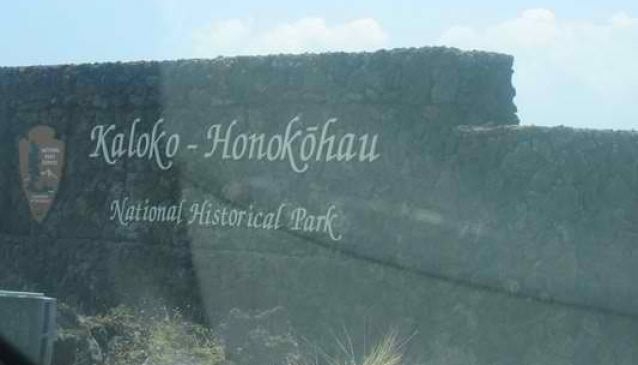
Kaloko-Honokohau National Park is listed as an attraction and a thing to do in Hawaii. Its classification places it within the sightseeing and activity options available to travelers planning time on the islands. The listing identifies the venue by its national park name, making the park itself the central focus rather than a restaurant, shop, accommodation, or entertainment venue.
As an attraction, Kaloko-Honokohau National Park can be included in an itinerary built around places to visit and activities to consider. The name provides a clear way to distinguish it from other attractions, while the Things To Do category positions it for visitors researching how to spend time in Hawaii. It is relevant to general sightseeing plans and to travel searches focused on national parks.
The park is best approached as a place-based activity rather than a dining or booking experience. The listing does not present it as a venue centered on cuisine, shopping, nightlife, or accommodation. Its role is as an attraction within a broader Hawaii travel plan, with the national park designation defining its character.
Kaloko-Honokohau National Park suits travelers looking for attractions to add to an island itinerary, including those comparing different things to do before deciding how to organize a day. It also gives groups planning a shared outing a named destination to consider. Because the listing classifies it as an attraction, the park can be evaluated alongside other sightseeing choices rather than alongside restaurants or commercial services.
For itinerary planning, the park name is the most useful reference point. It can be saved as a destination under attractions, revisited when arranging activities, and considered as part of a wider list of Hawaii things to do. The listing supports a straightforward description: Kaloko-Honokohau National Park is a national park attraction for travelers seeking places to include in their plans.
The park’s listing is intentionally simple in scope. It identifies the venue type and its place among things to do, without presenting a specific food style, accommodation format, or event focus. That makes the attraction suitable for general destination research, especially when a travel plan requires named places rather than dining or service reservations.